
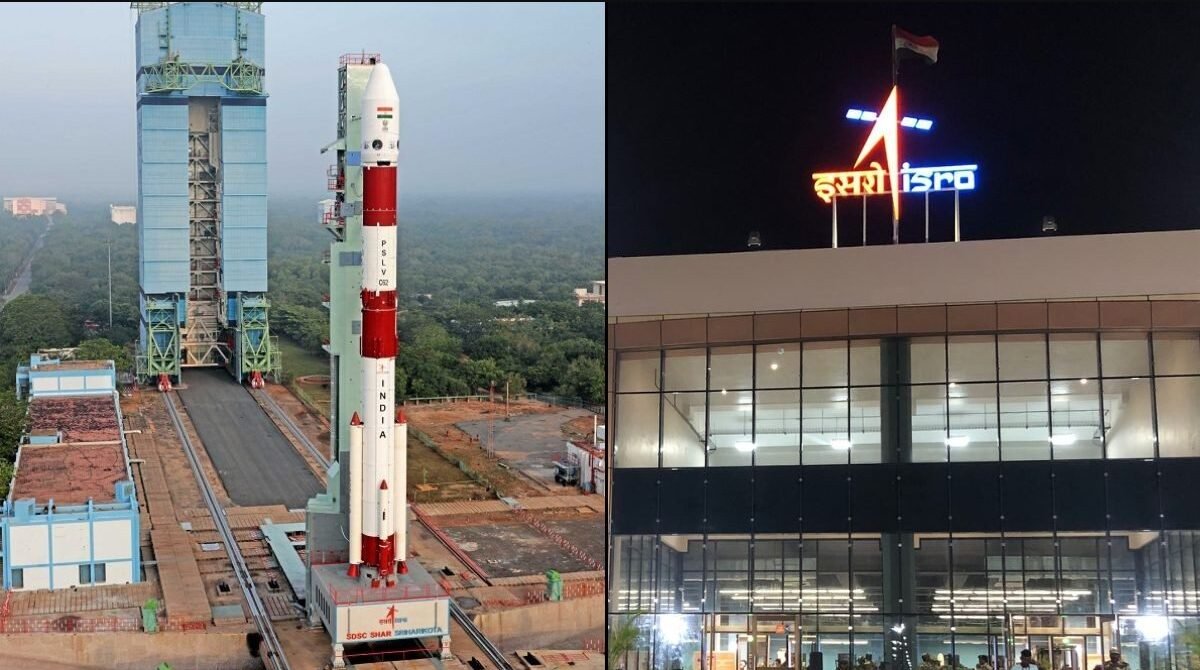
PSLV-C62 Mission: Following launch, India’s Polar Satellite Launch Vehicle (PSLV) mission experienced an anomaly on Monday. The Indian space research organisation (ISRO) confirmed that the deviation was noticed during the rocket’s 3rd stage.
ISRO Chairman Dr. V Narayana stated that the data is currently being examined. The space agency will provide information as soon as possible. However, he refrained from calling the operation a success or a failure.
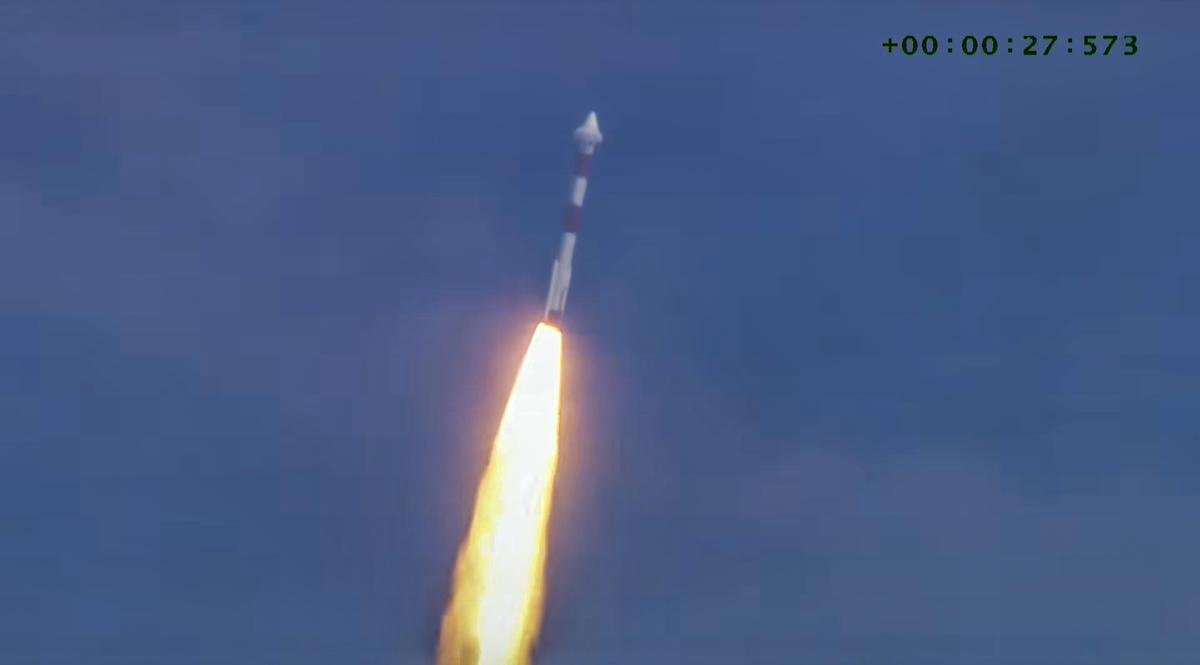
Following the launch of the rocket’s failure in 2025, the 64th PSLV mission, PSLV-C62 carrying EOS-N1, took off from the Satish Dhawan Space Centre in Sriharikota at 10:18 a.m.
What went wrong previously?
A manufacturing flaw that resulted in leaks and decreased pressure in the combustion chamber was blamed for last year’s disaster.
The Indian Space Research Organisation may face reputational difficulties if the most recent failure is caused by a similar problem.
Comeback launch after 2025 failure
PSLV-C62 was designed to be a launch spaceship’s return mission. PSLV had just one successful launch in 2025. According to ISRO at the time, the failure also happened during the rocket’s 3rd stage.
Following the 2025 mission, ISRO established a failure analysis committee in accordance with regular protocol. Nevertheless, the committee’s conclusions were never disclosed, making it impossible to pinpoint the exact reason for the failure.
Despite this, ISRO proceeded with its first 2026 launch, PSLV-C62.
EOS-N1 and Anvesha were among the 16 satellites that PSLV-C62 was transporting. Anvesha is a surveillance satellite created by the Defence Research and Development Organisation (DRDO).
Current news on PSLV-C62 mission failures
The PSLV-C62 mission, which carried 16 satellites, failed to reach its intended orbit. It ended the Indian Space Research Organisation’s first launch of the Year.
The PSLV, ISRO’s mainstay launch spaceship for more than 30 years, has now failed twice in a row.
Rocket operated normally through the first two stages of both the January 2026 failure and the previous setback (PSLV-C61 in May 2025). It encountered issues during the third stage, which is crucial for reaching orbital velocity.
Although the failure analysis committee report was not released to the public, the prior failure was attributed to an unanticipated drop in combustion chamber pressure. Although the most recent failure cause has not yet been determined, it is thought to be similar.
The rocket could not achieve the acceleration needed to maintain orbit around the Earth due to a pressure drop that occurs during the third stage.






Be First to Comment