
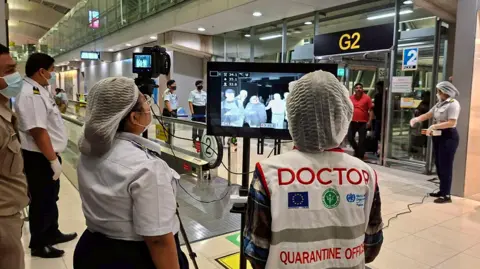
According to a reports, airports in several parts of Asia have begin to tighten health inspections following reports of a Nipah virus outbreak in India. Following the discovery of five Nipah virus infections in West Bengal, Nations like Thailand, Nepal, and Taiwan have stepped up screening and surveillance. Fever, headache, muscle soreness, nausea and sore throat are among the symptoms. Symptoms identified by WHO. Patience may have pneumonia, disorientation, confusion, and breathing difficulties in extreme situations.
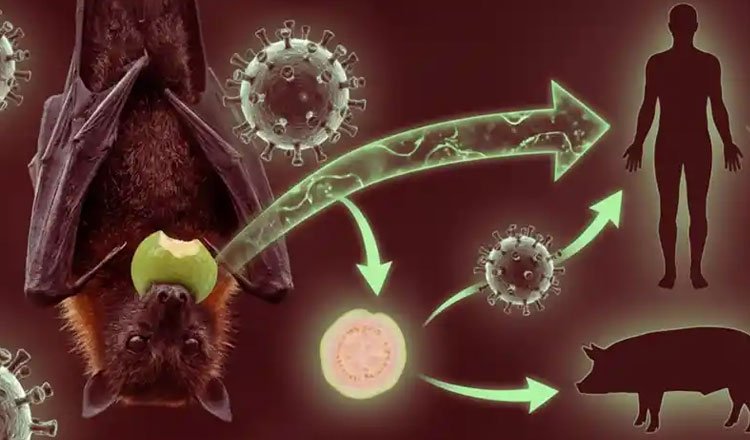
After Nipah cases were found in Barasat, close to Kolkata, and the adjacent districts, Indian authorities increased security. Usually humans infects from this virus from animals like pigs and bats. Health officials are on high alert since it can also spread through close person-to-person contact. But does India actually have a Nippah virus outbreak?
NCDC explains India’s Nipah Issue
The national Centre for Disease Control state that “Nippah virus disease is not a major out break and only a local occurrence. It is currently lmited to to districts in Kerala, i.e, Kozhikode & Malappuram.” The information that is now available indicates that the public does not need to worry about people’,s and their families’ safety. The situation is being closedly watched by the Ministry of Health and Family welfare
5 essential facts about Nippah virus
- Numerous clinical diseases from asymptomatic (subclinical) infection to severe acute respiratory sickness and deadly encephalitis can result from human infection.
- Between 40 and 75% of cases are thought to be deadly. However, this number can change greatly between epidemics due to local response capabilities in clinical treatment and epidemiological surveillance.
- Humans contract the disease mostly from eating contaminated food or coming into contact with infected animals like pigs or bats. They have also been reports of direct human-to-human transfer.
- Fruit bags belonging to the Pteropodidae family are virus’s natural reservoir.
- According to the World Health Organisation (WHO) R&D Blueprint, this virus is serious. The urgent need for further research and development activities against this disease was highlighted in a 2018 review.






Be First to Comment