
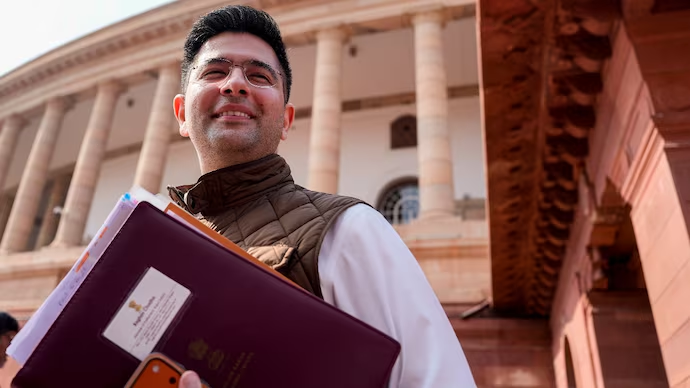
In the political circles, the abrupt dismissal of Raghav Chadha as the Aam Aadmi Party’s deputy leader in the Rajya Sabha has raised an awkward question for the party: Are things going well within its closely guarded circle? Even a hint of Internal strife is enough to spark rumours for a party that has meticulously built an image of ideological cohesiveness and controlled messaging. Under Arvind Kejriwal’s leadership, the party has achieved a significant reputation. As they say, there is rarely smoke without fire in politics.
As was to be expected, official justifications have been cautious and noncommittal. However, in the maze-like world of Indian politics, silence frequently speaks louder than presence. The controversy has been exacerbated by Chadha’s alleged absence from important party gatherings in recent months. Such absences are noticeable in a party where the central leadership makes all the decisions and disagreement is rarely expressed in public.
Chadha Respond
Later on Saturday, Raghav Chadha retaliated against the AAP by denying the party’s accusation. He said he had not endorsed opposition activities, such as walkouts or that he had neglected to sign the opposition’s resolution to remove the Chief Election Commissioner.
In a video, Raghav Chadha referred to himself as a wounded tiger and quoted a line from a Bollywood movie: “Ghayal hoon isiliye ghatak hoon.”
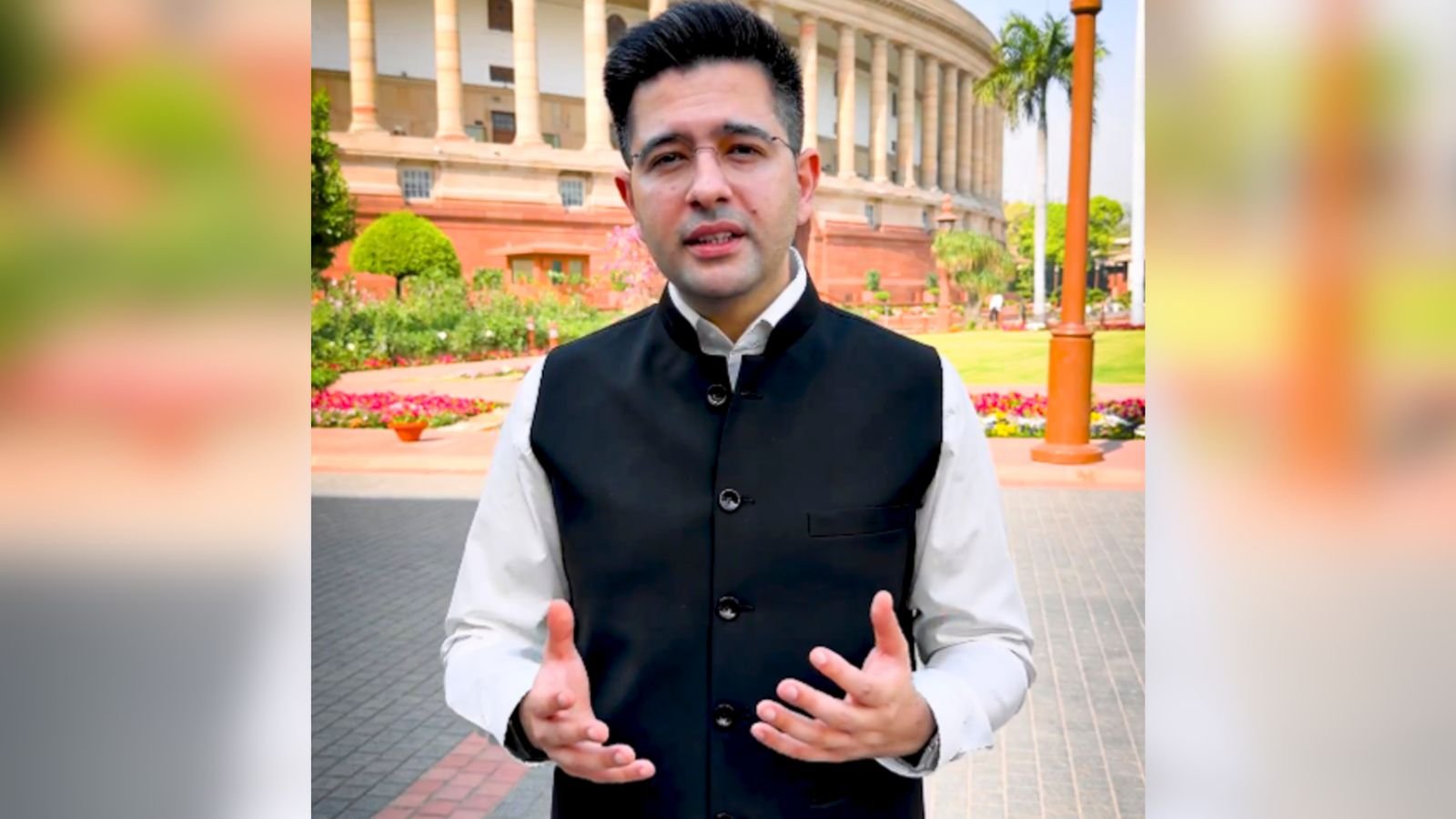
“Raghav Chadha does not leave Parliament when the opposition does. This is untrue. I challenge you to name even one instance in which I did not support the opposition. When they chose to walk out,” he declared
He also gave a response to the question of why he was singled out when “6 or 7 MPs in the upper House did not sign the motion. He stated that only 50 signatures out of 105 opposition MPs in the upper house were needed. Needed for the impeachment move against the chief election commissioner.
About Raghav Chadha
Raghav Chadha has long been considered one of the party’s most eloquent and media-savvy figures. Since 2014 he has been one of the most successful communicators. Whether he is confronting television debates or bringing the people-centric concerns in Parliament, he has been popular. His actions have frequently married the parties’ central tenet: public welfare-based government as a means to political showmanship. Because of this, his sudden departure from the Rajya Sabha is both a political signal and a procedural issue.




Be First to Comment