
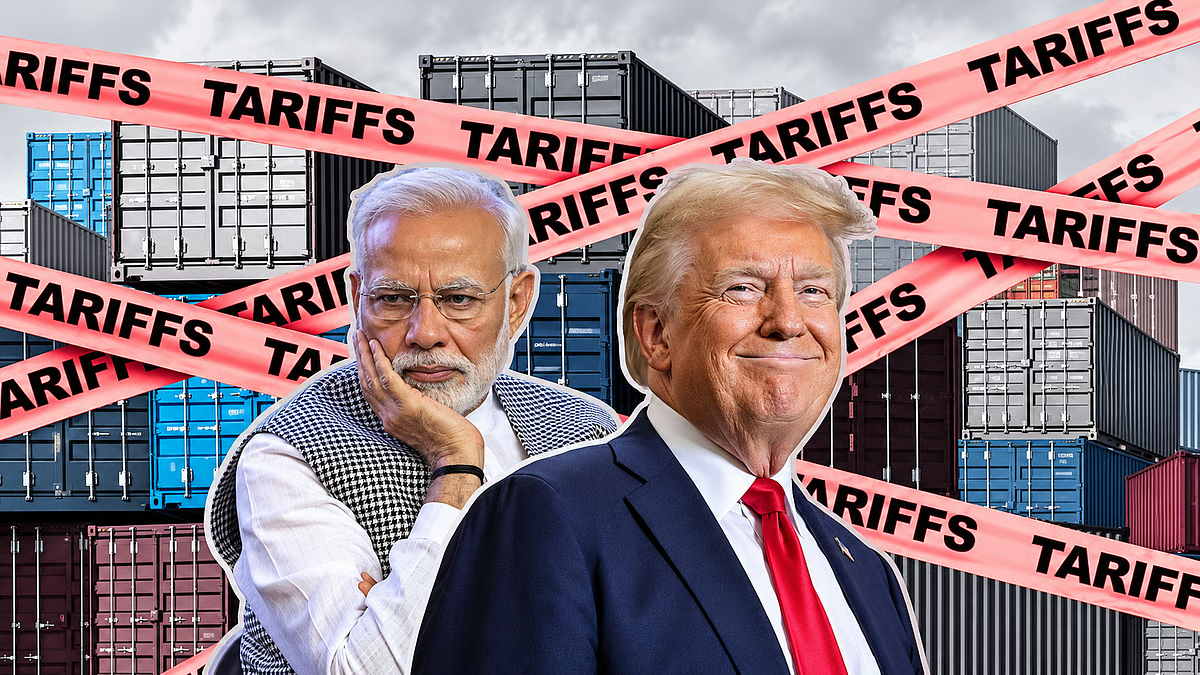
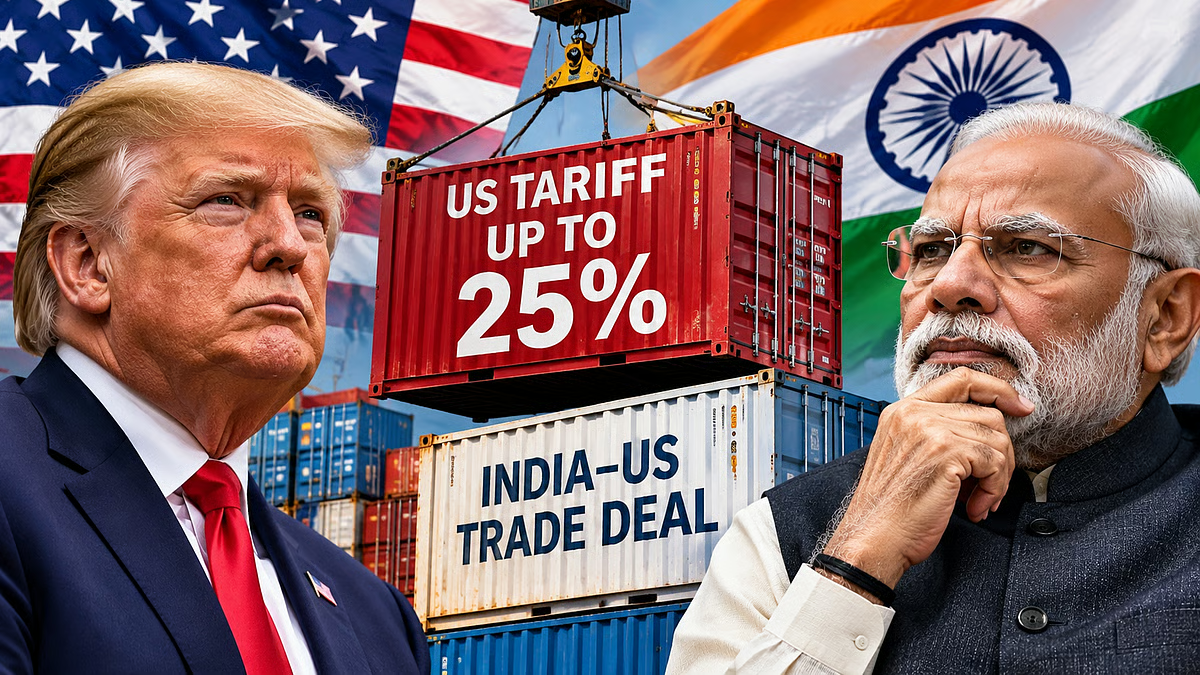
In reaction to what it described as India’s unjust excess capacity on November 25, Washington, US suggested a new tariff up to 25% on Indian goods. However, it stated that if a trade agreement is reached between the two parties, it will think about reducing the charge to 17%.
In response, to the ministry of commerce and industry reaffirmed that there is no structural surplus capacity in any sector in India. According to New Delhi, all trade-issues should be resolved within the parameters of the two parties’ negotiations for a trade agreement.
The US state Representative’s (USTR) office released it’s recombinations in a press statement on Wednesday night IST. The study into the surplus manufacturing capacity and production of more than a dozen economies was started in March. India has the highest best tariff of 25% second only to Vietnam’s 35%.
However, if India and the US negotiate a trade agreement that addresses India’s excess capacity concerns, the USTR will consider reducing India’s proposed tariff to 17%. The talks on the trade agreement started in February 2025, however it’s still stalled.
Tariffs and economies impacted
Us trade representative Jamieson Greer has made decisions under section 301 against 14 economies including India. China, the European Union, Singapore, Indonesia, Malaysia, Cambodia, Thailand, South Korea, Vietnam, Bangladesh, Japan and other economies. As of now the USTR has not taken any decisions about Norway and Mexico.
5 areas of concern were noted by the USTR in its findings on India. Industrial plans to increase manufacturing. Insufficient labour protections. Financial repression policies. p
Persistent barriers to market access. Failure to address global excess capacity and production. Including through imports and foreign direct investments from non market economies.
According to the USTR these practices increase US economic security risks, including through reliance on inputs from non-market economies. Risk include reduce commercial opportunities for us producers and exporters in India and third party markets. Also contribute to lost production, exports, jobs, and investment in US manufacturing sector.





Be First to Comment