
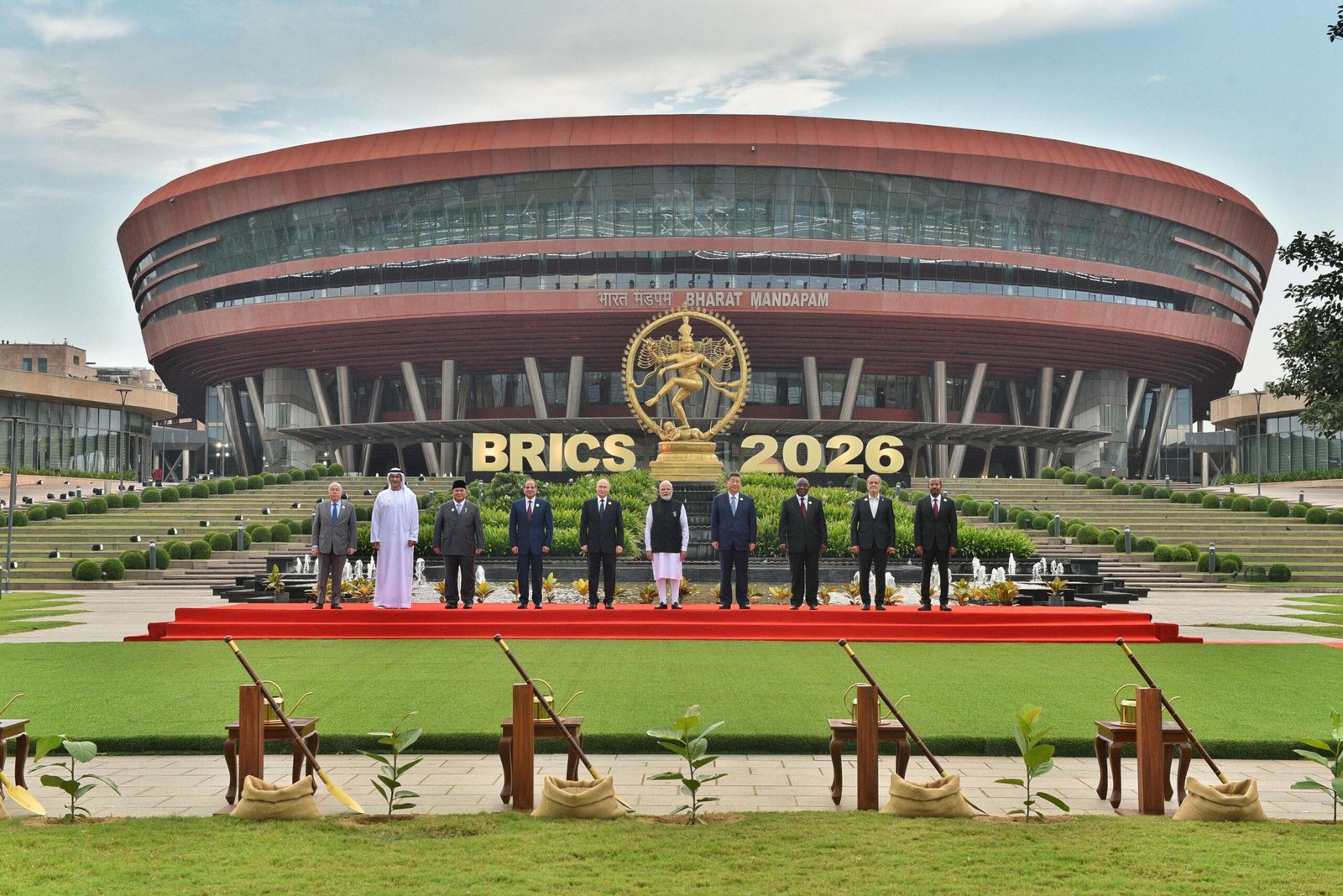
BRICS 2026 Highlights: From PM Narendra Modi outlining the significance of the Rameshwaram Temple background to a lengthy handshake with Chinese President Xi Jinping, the 18th BRICS Summit in New Delhi produced a number of unforgettable movements. During the high profile event leaders such as Russian President Vladimir Putin and Xi Jinping were at the Centre of important diplomatic and informal exchanges. The main developing economies of the globe engaged in both formal talks and face to face interactions at the Summit.
BRICS: What is it?
Brazil, Russia, India, and China established BRICS in 2006 primary as an economic platform. Four years later South Africa became a member of the organisation. Since then, it has grown to encompass Saudi Arabia, Indonesia, Egypt, Ethiopia, Iran and the United Arab Emirates.
The group has campaigned for changes to organisations like the World bank, the International Monetary Fund, and the World Trade Organisation in an effort to give developing economies more clout in organisations that have historically been controlled by Western Nations.
BRICS 2026: The results
- Summit in Delhi: On September 12, the 18th BRICS Summit got underway
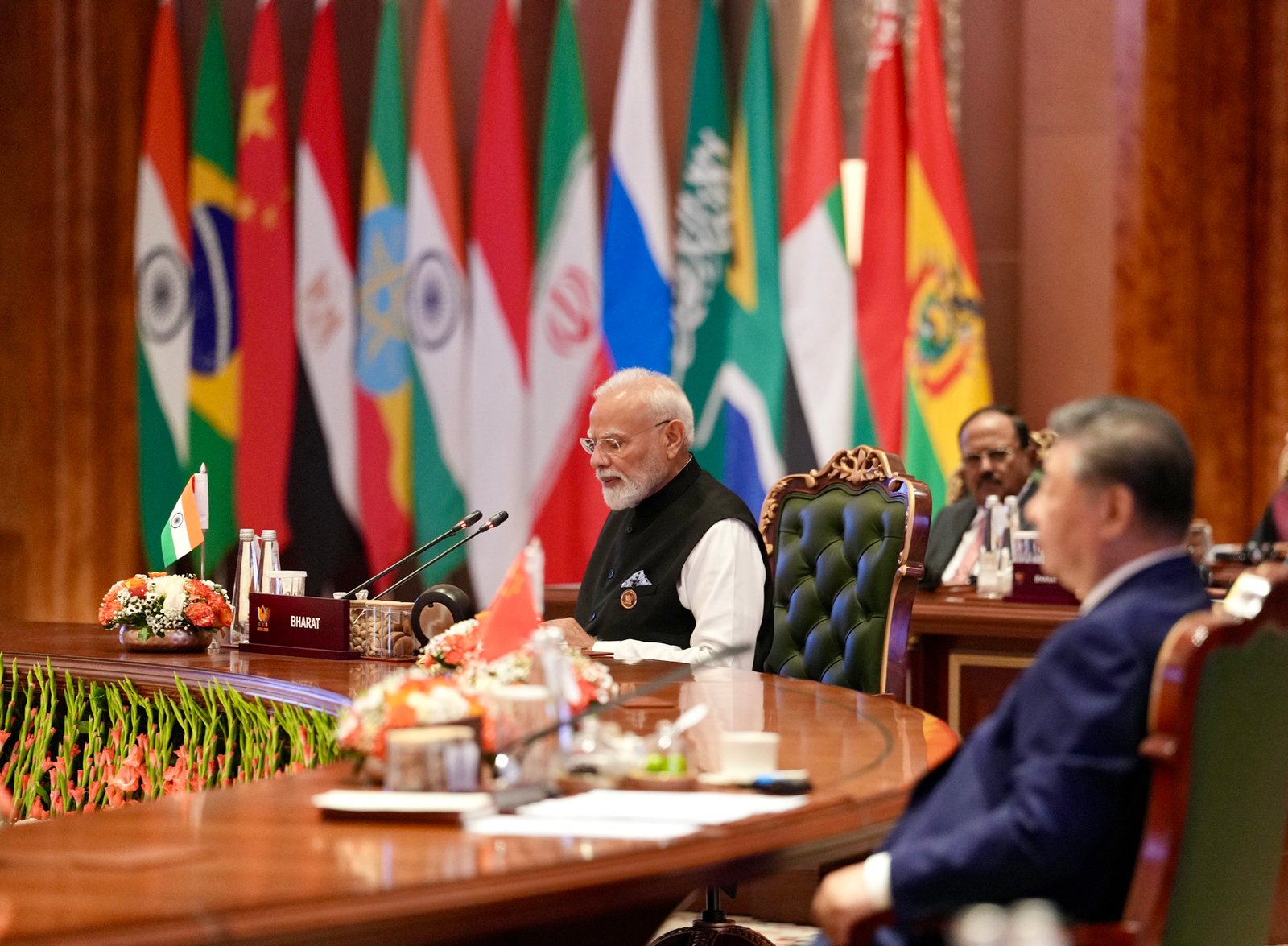
- Modi-Xi meeting: On the margins Modi and Xi discussed trade, commercial relations border peace, and minimising trade imbalances. It was Xi’s first trip to India in 7 years, and he was in Delhi.
- Modi-Putin talks: Modi and Putin talked about trade, energy, bilateral relations, and broader geopolitical events.
- BRICS jointly approved the New Delhi declaration. It emphasized collaboration on global governance, commerce, technology, climate, energy, and development.
- Pahalgam incident: The statement reiterated BRICS’ opposition to terrorism and terror financing while denouncing the Pahalgam terror assault.
- West Asia: BRICS supported a truce and a political settlement while advocating for communication, diplomacy, and moderation to settle disputes in the region.
- No uniform BRICS currency: No BRICS currency was announced at the conference. Rather, members supported better cross border payment systems and more usage of national currencies.
- AI and the Global South: The statement emphasized the need for increased representation of poor nations in international organisations for more accessible and inclusive AI
- UN reforms: India once more advocated for more representation for the global south and reform of the UN security council.


Be First to Comment