

The very payment habit that the government spent 10 years developing cn now be legally taxed. A change to section 10A of the Payment and Settlement Systems Act 2007, is included in the Taxation and Other Laws (Change) Bill 2026. This modification would allow the government to announce fees on particular electronic payment methods. The suggested Merchant Discount Rate (MDR) for UPI transactions over 2000 rupees is between 0.25 and 0.5%. According to the official position, this restriction would only affect around 5% of transactions by volume. It preservrd the purchases for milk and vegetables that account for the majority of UPI’s usage. However, it is important since it would cover around 65% of the transaction value.
What does the new tax bill say about UPI charges?
Section 10A of the Payment and Settlement Systems Act of 2007 is to be modified by the legislation. The clause is indeed meant to allow that need government to designate, via a notification, certain electronic payment systems or transactions needs to be shielded from fees.
There is no tax on transaction charges imposed on UPI users by the law itself. Under the current zero MDR Framework, banks and payment system providers are currently prohibited from charging customers directly or indirectly for transactions made using UPI or RuPay debit cards.
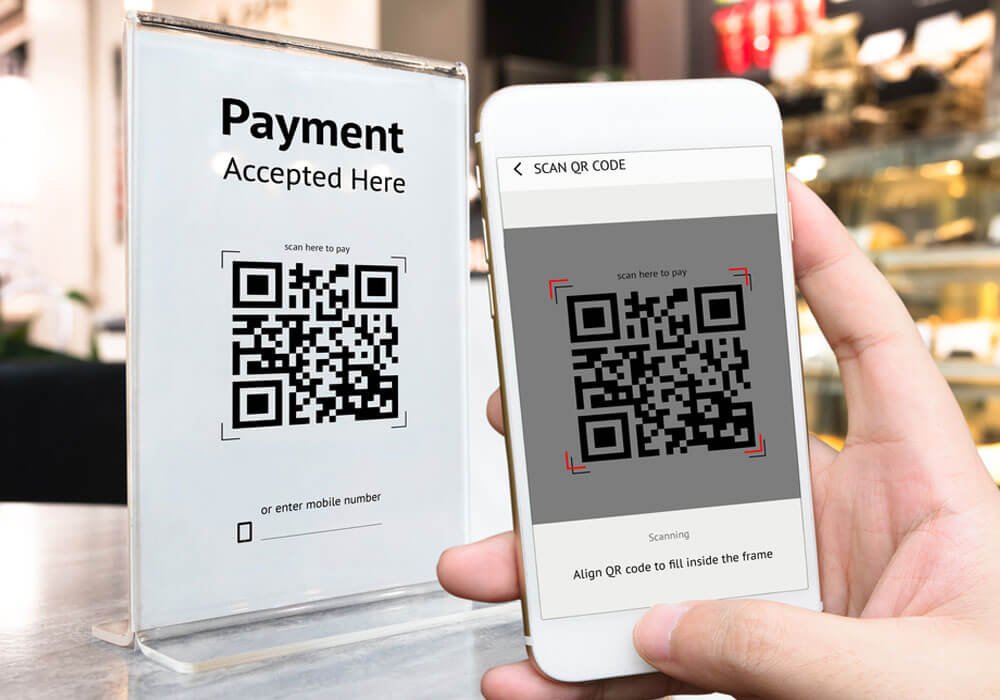
The PM Modi-led government will be able to choose which electronic payment methods are still protected from fees under the new clause. Section 10A of the Payment and Settlement Systems Act 2017 amended by the Taxation and Other laws (Amendment) Bill 2026. The amendment serves as an enabling clause. Uses using UPI are not subject to any transaction fees or taxes
The government disputes claims of “external pressure” as “completely false and misleading”
Reports indicating that “external pressure” may have had a role in the payment and settlement system exchange were also rejected by the government. They describe them as “misleading.”
It Stated that the union government’s “broader objective of making sure that India digital payment’s infrastructure remains dependable, competitive, innovative. It is indeed in a position of serving the country’s rapidly growing digital economy.” They said it should be taken into consideration when evaluating the modification.





Be First to Comment