
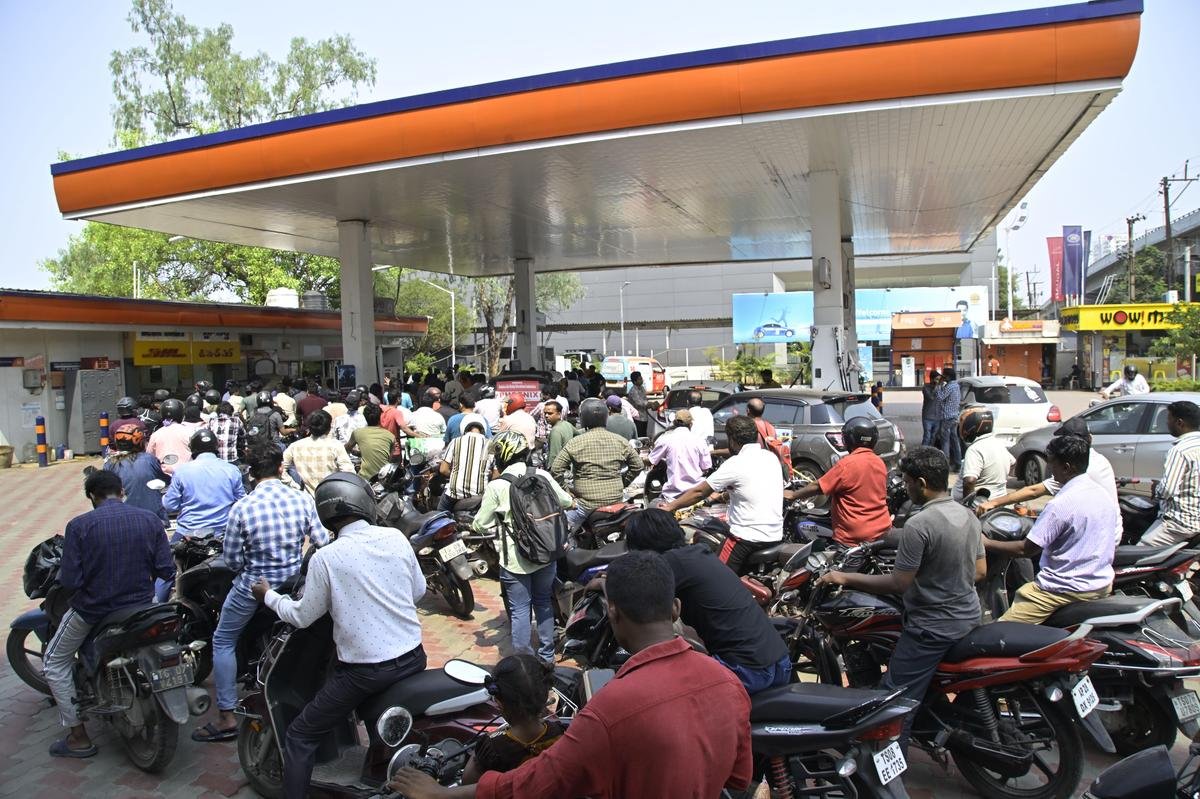
In India, the cost of Petrol and diesel has climbed once more. The price of petrol has grown by Rs 2.61 per litre. The price of diesel has increased by Rs. 2.71 per litre. With a cumulative increase of Rs 7.5, this was the fourth gasoline price increase in the previous two weeks. State-run oil companies are continuing to make changes in order to recuperate losses accrued after maintaining rates unchanged despite rising crude oil prices worldwide. The ongoing West Asia issues between the United States and Iran is the primary cause of the surge. It’s all the result of the closure of the Strait of Hormuz.
Will the cost of Petrol increase further?
“Given the losses being incurred by OMCs, a rise in petrol and diesel prices was inevitable.” Statement given by Bank of Baroda Chief Economist Madan Sabnavis to the media. He warned that since the present rise might not be sufficient to make up for OMCs’ losses, more price increases might come.
Petrol and diesel prices may rise up to ₹10 per litre in the near future. Financial services firm Emkay Global Financial Services, like oil marketing corporations, tries to counteract the effects of rising global oil prices.
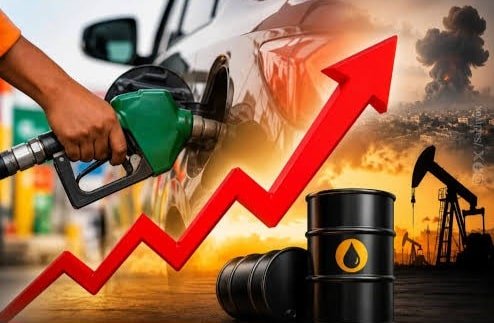
Metro cities’ prices
- In Delhi, the price of petrol is currently ₹102.12 per litre, up by 2.61. the diesel is currently 95.20, up by 2.71.
- In Chennai, the oil prices up by ₹2.46, currently 107.77. The diesel price currently ₹99.55.
- In Mumbai, the price of petrol is currently ₹111.21 per litre, up by 2.72. the diesel is currently ₹97.83.
- In Kolkata, the oil prices up by ₹2.87, currently ₹113.51. The diesel price currently ₹99.82.
Analysts have warned that further increase in the price of petrol and diesel could result in higher transportation and logistics costs. It would ultimately affect the cost of food and other necessities. It is the face of ongoing geopolitical tensions and instability in the world’s energy markets. The government officials had previously said that the changes were required to control growing import costs and preserve fuel supply stability.




Be First to Comment